

Coliving Italy: The Ultimate Guide for Digital Nomads and Remote Workers
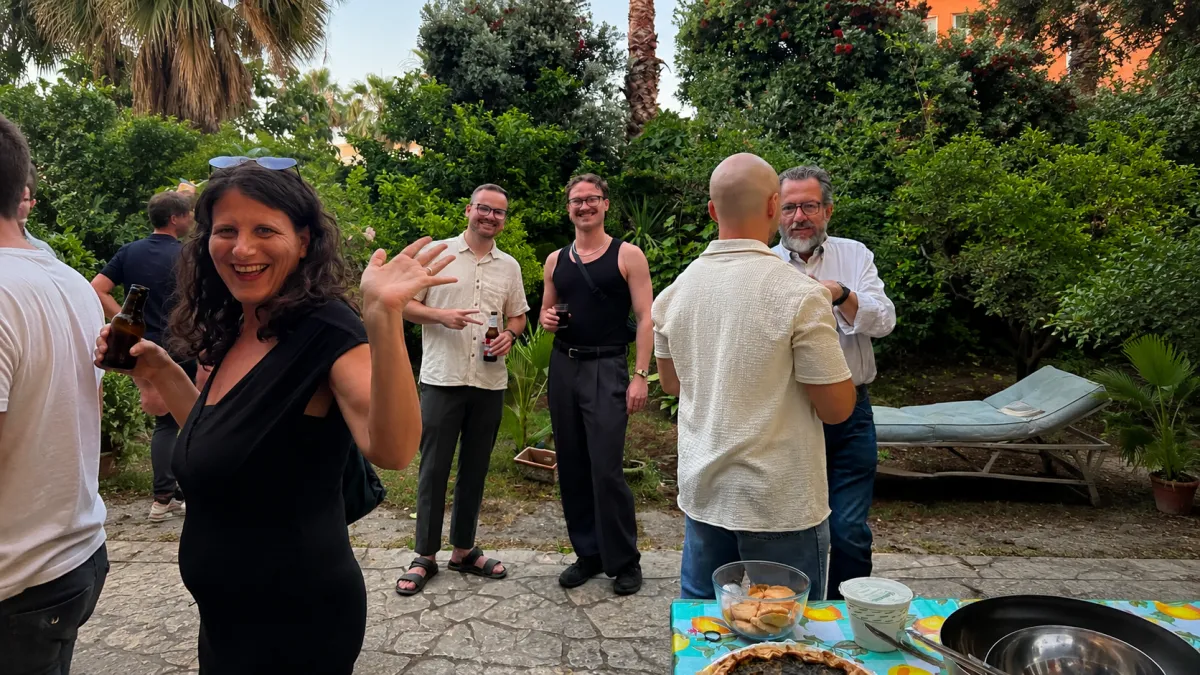
Everything You Need to Know About Coliving in Italy
If you're looking for the perfect destination to live and work remotely, Coliving Italy has become one of Europe's fastest-growing choices for digital nomads, remote workers and freelancers. In this guide, you'll discover how coliving works, why Italy is attracting an international community, which cities offer the best experience, how much it costs and what to look for before choosing your next home away from home.
Everything You Need to Know About Coliving in Italy
Italy has always been one of the world's most desirable destinations. People travel here for its history, incredible food, beautiful landscapes and relaxed lifestyle. Today, however, Italy is attracting a new generation of travelers who are not simply looking for a holiday destination. They are looking for a place where they can live, work remotely and become part of an international community.
This is one of the reasons why Coliving Italy has experienced remarkable growth over the last few years.
Digital nomads, remote workers, freelancers, entrepreneurs and creatives are increasingly choosing Italy as a temporary home. Instead of booking a hotel or renting an apartment for a few weeks, they are searching for spaces designed around flexibility, productivity and human connection.
Coliving is much more than shared accommodation.
It is a different way of experiencing a city.
It combines private living spaces with shared environments where people can work, exchange ideas, discover local culture and build meaningful relationships.
Whether you are planning to spend one month in Italy, looking for a long-term remote work destination or simply curious about how coliving works, this guide will help you understand everything you need to know before choosing your next home.
By the end of this article, you will know:
- What coliving really is.
- Why Italy has become one of Europe's fastest-growing coliving destinations.
- Which Italian cities offer the best lifestyle for remote workers.
- How much coliving costs.
- What to look for before booking.
- Why community is the most valuable part of the experience.
Most importantly, you'll understand why so many people arrive in Italy planning to stay for a few weeks and end up extending their stay for months.
Coliving Italy In Short
If you're looking for a quick overview, here are the key points.
- Coliving combines private accommodation with shared spaces designed for living, working and connecting.
- It is ideal for digital nomads, freelancers, entrepreneurs and remote workers.
- Most coliving spaces include high-speed Wi-Fi, coworking areas, community events and fully equipped shared facilities.
- Italy offers one of the best combinations of lifestyle, culture, affordability and climate in Europe.
- Cities such as Palermo are becoming increasingly popular among international remote workers thanks to their growing communities and affordable cost of living.
- Choosing the right coliving is about much more than finding a room. It is about finding a place where you can feel productive, inspired and connected.
What Is Coliving?
The word "coliving" is often translated as shared living, but that definition barely scratches the surface.
Coliving is a modern housing concept designed around people rather than buildings.
Instead of simply renting a room, residents become part of a community where private spaces coexist with common areas intentionally created to encourage interaction, collaboration and wellbeing.
Most coliving spaces include private bedrooms or apartments together with shared kitchens, lounges, coworking spaces, gardens or terraces.
The idea is simple.
Everyone has their own private space when they need it, but opportunities to meet other people naturally become part of everyday life.
For professionals working remotely, this creates a healthier balance between productivity and social interaction.
Unlike traditional housing, coliving removes many of the practical challenges associated with relocating.
Furniture, internet connection, utilities and common services are already included.
Residents can focus on their work and enjoy the city instead of dealing with administrative tasks.
This flexibility explains why coliving has become one of the preferred housing solutions for people who frequently move between countries.
Coliving vs Traditional Apartments
Renting an apartment certainly offers privacy.
However, it also comes with responsibilities.
Finding reliable internet, signing contracts, paying deposits, setting up utilities and furnishing a space all require time and money.
For someone staying only one or two months, these obligations rarely make sense.
Another important aspect is social life.
Moving to a new city often means starting from scratch.
Many remote workers discover that the biggest challenge isn't finding accommodation.
It's finding people.
Working alone from an apartment every day can quickly become isolating.
Coliving addresses exactly this problem.
Shared spaces and community activities create natural opportunities to meet like-minded people without forcing social interaction.
Residents can join dinners, workshops, hiking trips or simply enjoy a coffee together before starting work.
The result is an experience that feels closer to living with an international group of friends than simply renting a room.
Coliving vs Airbnb
Airbnb changed the way people travel.
It made short-term accommodation accessible almost everywhere in the world.
However, Airbnb was never designed for building communities.
When staying in an apartment, your experience usually ends at the front door.
You may spend weeks in a city without meeting your neighbors.
Coliving offers a completely different experience.
From the day you arrive, you are surrounded by people who are often living the same lifestyle.
Many are working remotely.
Others are building startups, freelancing or exploring new countries while continuing their careers online.
This shared mindset creates connections that rarely happen in traditional accommodation.
For long-term stays, these relationships often become the most memorable part of the experience.
Coliving vs Cohousing
Although the two terms are frequently confused, they describe different concepts.
Cohousing generally refers to permanent communities where residents intentionally share certain facilities over many years.
Coliving is much more flexible.
Residents may stay for a few weeks or several months before moving on to another destination.
This flexibility perfectly matches the lifestyle of digital nomads and remote workers who value freedom without sacrificing comfort or community.
Instead of committing to a long-term lease, they can move between cities while maintaining a similar standard of living and a familiar sense of belonging.
Why Is Coliving Growing So Fast in Italy?
Remote work has fundamentally changed the way people choose where to live.
For decades, careers dictated location.
Today, for millions of professionals around the world, location has become a personal choice.
People are no longer asking:
"Where can I find a job?"
They are asking:
"Where do I want to live while I work?"
Italy answers that question remarkably well.
It offers a lifestyle that many countries struggle to replicate.
Historic cities.
Mediterranean weather.
Excellent food.
Rich cultural traditions.
Beautiful coastlines.
Walkable neighborhoods.
And increasingly, communities of international professionals who have chosen Italy as their temporary home.
This combination explains why Coliving Italy is no longer a niche trend.
It is becoming one of Europe's most attractive options for people who want to combine professional productivity with an exceptional quality of life.
Many visitors initially plan to stay for one month.
After experiencing everyday life in Italy, they often decide to remain much longer.
The country is no longer just a place to visit.
For thousands of remote workers every year, it is becoming a place to live.
Why Choose Coliving in Italy?
Italy offers something that very few countries can combine successfully: a high quality of life, extraordinary cultural heritage, a pleasant climate, world-famous cuisine and a growing ecosystem for remote work.
While destinations such as Portugal, Spain and Bali have become popular among digital nomads over the last decade, Italy is emerging as one of Europe's most interesting alternatives.
Unlike destinations that have rapidly become overcrowded or significantly more expensive, many Italian cities still offer an authentic lifestyle where visitors can genuinely become part of local life.
Living in Italy is not simply about changing your location.
It is about changing your daily routine.
Instead of spending every day between your apartment and a coworking space, you can enjoy a morning espresso in a neighborhood café, work from a bright coworking space, have lunch in a local trattoria, take a walk through centuries-old streets or relax by the sea after finishing work.
For many remote workers, this balance between productivity and wellbeing becomes the biggest reason to stay longer than originally planned.
Lifestyle Comes First
One of Italy's greatest strengths is its lifestyle.
Life moves at a different pace.
People spend time outdoors.
Meals are social occasions rather than quick breaks.
Public squares remain places where communities naturally gather.
This culture has a surprisingly positive effect on remote workers.
Working online often means spending long hours in front of a computer.
Living somewhere that encourages regular breaks, outdoor activities and social interaction can significantly improve motivation, creativity and overall wellbeing.
Rather than separating work and life completely, Italy allows the two to coexist naturally.
Many people discover that they become more productive precisely because they enjoy their free time more.
Weather That Supports Remote Living
Climate is often underestimated when choosing a destination.
However, it has a direct impact on mental health, energy levels and work-life balance.
Many Italian regions enjoy mild winters and long sunny seasons.
Outdoor cafés become informal offices.
Terraces replace meeting rooms.
Lunch breaks turn into walks through historic neighborhoods or along the coastline.
For professionals coming from colder countries, this daily exposure to natural light and outdoor living often becomes one of the most appreciated aspects of living in Italy.
Food Is Part of Everyday Life
Italian cuisine is famous worldwide, but living in Italy offers a completely different experience from simply visiting as a tourist.
Every region has its own traditions, seasonal products and recipes.
Fresh ingredients are widely available.
Local markets remain central to daily life.
Sharing meals is an important social ritual.
Within many coliving communities, dinners become one of the easiest ways to connect with other residents.
Cooking together, discovering regional specialties or simply sharing a bottle of wine after work helps create friendships naturally.
These small everyday moments are often what people remember long after returning home.
A Growing Community of Digital Nomads
Remote work has transformed Italy into a destination for international professionals.
While cities like Lisbon or Barcelona have been established hubs for years, Italy is now experiencing steady growth thanks to improved infrastructure, an increasing number of coworking spaces and a rising awareness of digital nomad lifestyles.
International communities are expanding across several Italian cities.
Coworking spaces regularly organize networking events, workshops and meetups.
Local businesses have become more accustomed to welcoming remote workers.
As more people choose Italy each year, the experience becomes easier for newcomers without losing the authenticity that makes the country unique.
The Best Cities for Coliving in Italy
Italy offers an incredible variety of destinations.
Choosing the right city depends on your budget, lifestyle, preferred climate and the type of community you are looking for.
Some people thrive in large metropolitan areas filled with business opportunities.
Others prefer slower coastal cities where work can be balanced with nature and outdoor activities.
There is no perfect city for everyone.
The best destination is the one that matches your personal priorities.
Palermo: the future of Coliving in Italy
Over the past few years, Palermo has quietly become one of Italy's most promising destinations for digital nomads.
Unlike more established European hubs, Palermo still offers an excellent balance between affordability, culture and quality of life.
The city combines a walkable historic center, beautiful beaches nearby, excellent food, an international airport and an increasingly active community of remote workers.
Living costs remain considerably lower than in most major European capitals, allowing many professionals to enjoy a higher quality of life without increasing their monthly budget.
Palermo also serves as an ideal base for exploring Sicily during weekends, making it especially attractive for people staying several months.
This is one of the reasons why Palermo is becoming a natural reference point for the future of coliving in Southern Europe.
Milan: Italian economical hearth
Milan is Italy's financial and business capital.
The city attracts entrepreneurs, consultants, designers and professionals working in international companies.
Coworking spaces are numerous and networking opportunities are almost endless.
However, Milan is also the most expensive city in Italy.
People looking for a highly professional environment often appreciate what Milan offers, while those prioritizing lifestyle and affordability may prefer other destinations.
Rome: historical and international
Rome combines history, international culture and modern business opportunities.
Living in Rome means being surrounded by world-famous landmarks while enjoying a constantly evolving international community.
Because of its size, choosing the right neighborhood is particularly important.
Each district offers a completely different experience in terms of atmosphere, accessibility and daily life.
Florence: creativity and life quality
Florence attracts creatives, artists, photographers and professionals working in design and culture.
Its compact size allows residents to move almost everywhere on foot or by bicycle.
Although accommodation can become more expensive during the tourist season, Florence remains one of Italy's most inspiring cities for creative professionals.
Bologna: one of italy's most livable cities
Bologna has gained increasing popularity among remote workers thanks to its excellent quality of life.
The city combines a strong university culture, efficient transportation, outstanding food and a vibrant cultural scene.
Its manageable size makes everyday life easy, while its central location allows quick access to many other Italian cities.
For many professionals, Bologna represents one of the best balances between career opportunities and personal wellbeing.
Why Sicily Is Becoming a Remote Work Destination
For years, Sicily was mainly associated with tourism.
Today, that perception is changing.
The island offers many of the characteristics that digital nomads actively search for: warm weather, affordable living costs, incredible food, breathtaking landscapes and a slower pace of life.
Unlike destinations that have become heavily commercialized, Sicily still feels authentic.
Small towns, nature reserves, mountains, beaches and historic cities are all within easy reach.
Weekend trips become effortless.
Daily life feels less rushed.
For professionals seeking a healthier work-life balance, Sicily offers an experience that is increasingly difficult to find elsewhere in Europe.
As international communities continue to grow, Sicily is establishing itself as one of the continent's most exciting emerging destinations for coliving.
How Much Does Coliving Cost in Italy?
One of the most common questions people ask before moving abroad is simple: how much does coliving in Italy cost?
The answer depends on several factors, including the city, the location, the season, the type of accommodation and the services included.
At first glance, comparing prices between different coliving spaces may seem straightforward. However, the cheapest option is not always the best value.
A monthly price usually includes much more than a private room. High-speed internet, utilities, furnished spaces, coworking areas, cleaning services and community activities are often included, eliminating many of the hidden costs associated with renting a traditional apartment.
As a general guide, these are the average monthly price ranges for a private room in Italy:
- Palermo: €700–1,300
- Bologna: €900–1,400
- Florence: €900–1,500
- Rome: €1,000–1,700
- Milan: €1,200–2,000
Prices vary depending on the season, room type and services provided, but longer stays almost always offer the best value.
When comparing accommodation, it is important to consider the overall experience rather than focusing only on the nightly rate.
How to Choose the Right Coliving in Italy
Every coliving space is different.
Some focus mainly on accommodation.
Others are built around creating a genuine community where people work, share experiences and support one another.
Before booking, take the time to evaluate more than the photos.
Check the Internet Connection
Reliable internet is essential for remote work.
Ask about connection speed, backup networks and whether the space is suitable for video calls or online meetings.
A beautiful room means very little if the internet cannot support your daily work.
Look for Dedicated Coworking Areas
Working from your bedroom may seem convenient at first, but separating work from personal life becomes increasingly important during longer stays.
A dedicated coworking area improves focus, productivity and helps maintain a healthier daily routine.
Many of the best coliving spaces include ergonomic workstations, meeting rooms and quiet areas designed specifically for remote professionals.
Understand the Community
Community is what transforms accommodation into a meaningful experience.
Some coliving spaces mainly attract backpackers.
Others welcome entrepreneurs, freelancers, developers, designers and remote employees from around the world.
Reading reviews and understanding the type of residents can help you choose an environment that matches your expectations.
The people you meet may become one of the most valuable parts of your journey.
Discover What Activities Are Included
The best communities don't happen by chance.
They are built through shared experiences.
Weekly dinners, fitness sessions, local tours, workshops, hiking trips or cultural activities help residents connect naturally.
These moments often lead to friendships, collaborations and professional opportunities that continue long after people leave.
Choose the Right Location
Location influences your everyday life more than most people expect.
Being able to walk to cafés, supermarkets, restaurants, coworking spaces or public transportation saves time and makes daily routines much more enjoyable.
If possible, choose a neighborhood where you can experience local life instead of commuting long distances every day.
Common Mistakes When Choosing a Coliving
Many people make their decision based exclusively on price.
In reality, several other factors have a much greater impact on the overall experience.
Some of the most common mistakes include:
- Choosing accommodation without verifying internet quality.
- Ignoring the importance of community.
- Booking the cheapest option without checking what services are included.
- Choosing a location far from everyday amenities.
- Focusing only on photos instead of reading reviews.
- Booking a room without understanding who usually stays there.
A slightly higher monthly price often provides significantly greater value if it includes coworking, events and a supportive community.
Who Is Coliving For?
Coliving is suitable for a much wider audience than many people imagine.
While digital nomads were among the first to adopt this lifestyle, today's communities include professionals from many different backgrounds.
Coliving is particularly suitable for:
Digital nomads looking for flexibility while traveling.
Remote employees who want to work from different countries.
Freelancers searching for inspiration and networking opportunities.
Entrepreneurs building startups while exploring new destinations.
Creative professionals including designers, photographers, writers and developers.
International students attending short courses or exchange programs.
Couples looking for a private space while still enjoying an international community.
Solo travelers who want meaningful social connections rather than isolation.
The diversity of backgrounds is one of the reasons why conversations inside coliving spaces are often so enriching.
Why Community Is the Real Value of Coliving
When people first discover coliving, they usually focus on the accommodation.
After experiencing it, they almost always remember something else.
The people.
Remote work offers freedom, but freedom can sometimes become loneliness.
Working from an apartment for weeks without meaningful interaction affects motivation, creativity and wellbeing.
Coliving addresses this challenge naturally.
Instead of organizing social activities from scratch every week, opportunities already exist around you.
Someone suggests a coffee break.
A group organizes dinner together.
Others plan a weekend hike or a day at the beach.
Conversations happen spontaneously in shared kitchens, coworking spaces or gardens.
Professional collaborations often emerge alongside genuine friendships.
Many residents describe their coliving experience as feeling part of an international family rather than simply renting accommodation.
For this reason, the strongest coliving communities are remembered long after the trip itself.
The room may be where you sleep.
The community is what makes you feel at home.
Frequently Asked Questions About Coliving in Italy
What is coliving?
Coliving is a modern way of living that combines private accommodation with shared spaces designed to encourage community, collaboration and a better work-life balance. Unlike a traditional shared apartment, coliving spaces are intentionally created for people who value flexibility, connection and remote work.
Is Italy a good destination for digital nomads?
Yes. Italy has become one of Europe's most attractive destinations for digital nomads thanks to its excellent quality of life, rich culture, Mediterranean climate, reliable infrastructure in major cities and growing number of coworking and coliving spaces.
Which city is best for coliving in Italy?
The answer depends on your lifestyle.
Palermo is ideal for affordability, community and Mediterranean living.
Milan is perfect for business, networking and international companies.
Rome combines history, culture and a growing remote work scene.
Florence is popular among creatives and designers.
Bologna offers an excellent balance between quality of life and professional opportunities.
Each city provides a different experience, making Italy one of the most diverse countries for remote workers.
How much does coliving cost in Italy?
Monthly prices generally range between €700 and €2,000 depending on the city, room type and services included. Southern Italy, particularly Sicily and Palermo, usually offers the best value for money.
Is coliving cheaper than renting an apartment?
Not always.
However, coliving often includes utilities, internet, furniture, coworking spaces, cleaning services and community activities. When these costs are considered together, coliving frequently provides better overall value than renting an apartment independently.
How long can I stay in a coliving?
Most coliving spaces welcome stays from a few weeks to several months. Many also offer discounted monthly rates for long-term residents.
Can I work remotely from a coliving?
Absolutely.
Most coliving spaces are specifically designed for remote workers and include high-speed internet, comfortable workstations and quiet areas suitable for online meetings.
Is coliving suitable for couples?
Yes.
Many coliving spaces offer private rooms or apartments that are ideal for couples while still allowing access to all shared facilities and community activities.
Are community events mandatory?
No.
Participation is entirely optional. Residents can join activities whenever they want while still enjoying complete privacy whenever needed.
Do I need to be a digital nomad to join a coliving?
Not at all.
Although many residents work remotely, coliving is open to freelancers, entrepreneurs, students, creatives, researchers, professionals on temporary assignments and anyone looking for a more social and flexible way of living.
Why More People Are Choosing Palermo
Among all Italian destinations, Palermo has quietly become one of the country's most exciting places for remote workers.
The city offers something increasingly difficult to find elsewhere in Europe: authenticity.
Life here moves at a slower pace without sacrificing the services needed for modern remote work.
Historic streets, local markets, beaches, mountains, cultural events and excellent food all become part of everyday life rather than tourist attractions.
The cost of living remains significantly lower than in many European capitals, allowing professionals to enjoy a higher quality of life while reducing monthly expenses.
Palermo is also becoming home to an expanding international community of entrepreneurs, freelancers and digital nomads who have chosen Sicily as a base for medium and long-term stays.
Rather than simply passing through, many decide to build friendships, professional collaborations and new routines that make the city feel like home.
For anyone looking to experience Italy beyond the traditional tourist route, Palermo represents one of the country's most promising coliving destinations.
Why Community Matters More Than Accommodation
Finding accommodation is easy.
Finding people who make a new city feel like home is much harder.
This is the true reason why coliving continues to grow around the world.
The room you rent determines where you sleep.
The community determines how you live.
Sharing ideas over breakfast, celebrating achievements together, exploring a new region during the weekend or simply having someone to grab a coffee with after work creates an experience that cannot be measured in square meters.
Many residents arrive expecting accommodation.
They leave with friendships, professional connections and memories that continue long after their stay has ended.
This human dimension is what makes coliving fundamentally different from any hotel, apartment or short-term rental.
Start Your Coliving Experience in Italy
Choosing where to live while working remotely is no longer just about finding a comfortable room.
It is about choosing the lifestyle you want to experience every day.
Italy offers a unique combination of culture, climate, affordability, creativity and community that continues to attract professionals from all over the world.
Whether you prefer the energy of Milan, the timeless beauty of Florence, the history of Rome or the Mediterranean lifestyle of Sicily, there is a destination that matches your goals.
If you are looking for a place where work, travel and genuine human connections come together naturally, coliving may be exactly what you have been searching for.
At Beetcommunity, we believe that accommodation is only the beginning of the experience.
Our mission is to create spaces where remote workers, digital nomads and curious travelers can feel productive, inspired and connected while discovering the authentic side of Italy through local experiences, coworking, shared dinners and an international community.
Your next destination is not just a place on the map.
It is a community waiting to welcome you.



NEWS AND PROMOTIONS
Sign up now and receive the latest news, events, and promotions tailored to you
USEFUL LINKS

WHATSAPP & PHONE
NEED LIVE SUPPORT?
ADDRESS
Via Agrigento 14, Palermo, Italia
Beet Botanical Gardens
Via Lincoln 35A, Palermo, Italia
BeetCommunity - All rights reserved
